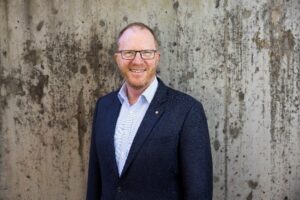
 The guest speaker for our meeting on 23 September 2025 is cyber security expert Dr Marcus Thompson AM
Marcus is a retired Major General who served 34 years in the Australian Army.
After he graduated from the Royal Military College, Marcus was allocated to the Royal Australian Corps of Signals. He served in a variety of command, regimental, and Special Operations appointments, including:
- Command of the 3rd Combat Signal Regiment;
- secondment to the Department of the Prime Minister and Cabinet as the Senior Advisor Defence Policy and Operations;
- Director General Special Operations Capability; Commander 6th Brigade;
- and deployments to East Timor, Iraq, and Afghanistan.
His final appointment was as the inaugural Head of Information Warfare for the Australian Defence Force.
Marcus holds a Bachelor of Electrical Engineering with honours from the University of New South Wales, a Bachelor of Business from the Royal Melbourne Institute of Technology, a Master of Defence Studies from the University of Canberra, a Master of Strategic Studies from Deakin University, and a PhD in Cyber Security from the University of New South Wales. He was appointed a Member of the Order of Australia in the 2014 Queen’s Birthday Honours List.
 On 26 August, club member Wayne Riley will address this issue in detail. Wayne brings direct experience to the discussion from his tenure as the senior engineering planning manager at Australian Paper Manufacturers’ mill at Burnie before becoming the mine manager at APM’s clay mine at Tonganah.